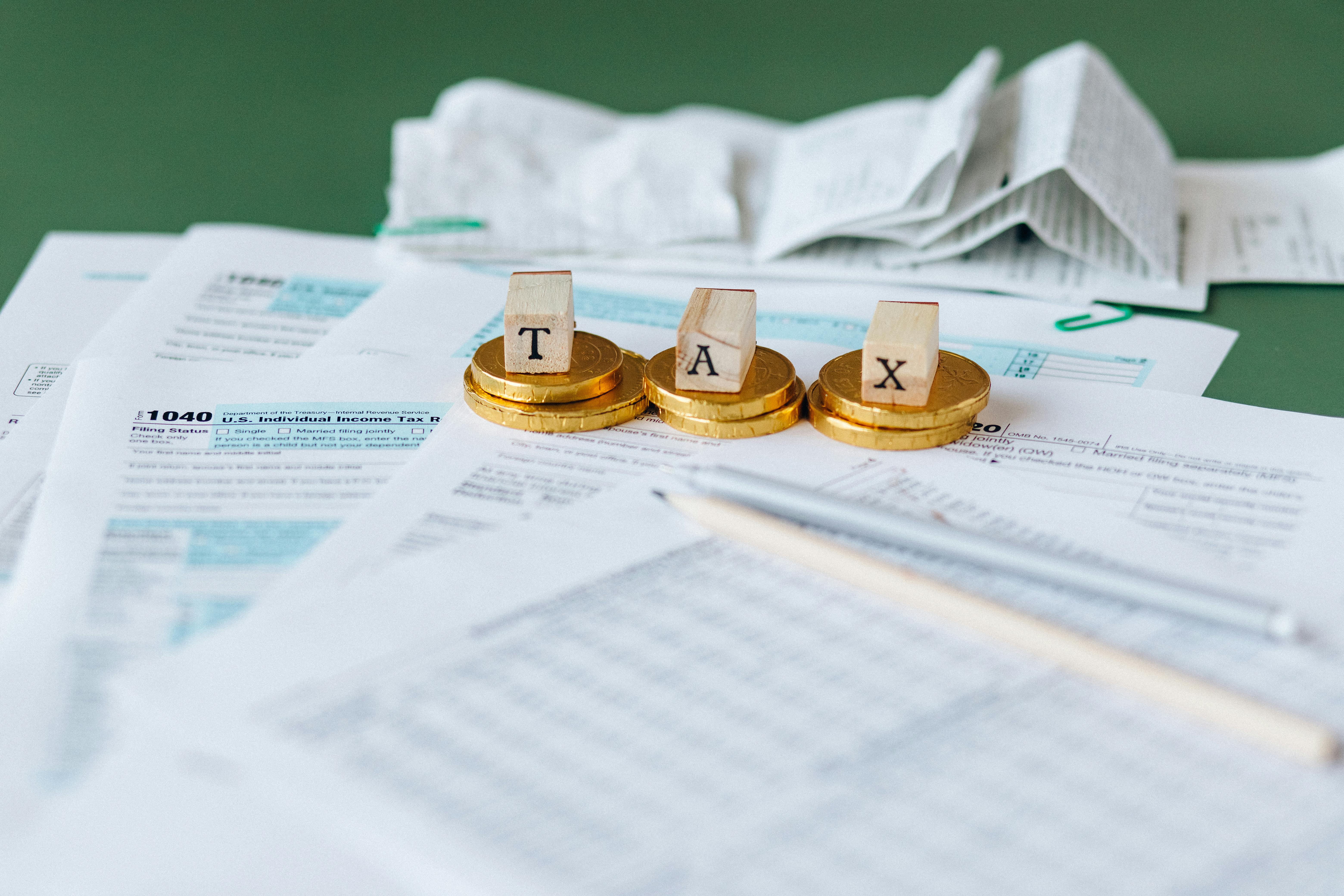
Why Invoicing and Taxes Are Inseparable for Freelancers
As a freelancer, your invoices are your income records. Every payment you receive must be reported as income, and every invoice you issue is documentation of that income. Getting your invoicing system right makes tax season dramatically easier — and getting it wrong can result in missed deductions, underpayment penalties, or audit risk.
What Tax Information Must Appear on Freelance Invoices?
At minimum, your invoices should include:
- Your full legal name or registered business name
- Your address
- Your tax identification number (TIN, EIN, or equivalent in your country) — required in many jurisdictions
- Client's name and address
- Invoice date and number
- Itemized services with amounts
- Tax amounts (if applicable) shown separately from the subtotal
- Total amount due
If you are VAT-registered or required to collect sales tax, you must also include your VAT/GST registration number and show the tax rate and amount on every invoice.
When Do You Need to Register for VAT or Sales Tax?
Registration thresholds vary by country:
- UK: Register for VAT when annual turnover exceeds £90,000 (as of 2026)
- EU: Rules vary by country, but the EU OSS scheme applies for cross-border digital services
- US: Sales tax varies by state; most states require registration once you have "nexus" there
- Australia: Register for GST when annual turnover exceeds AUD $75,000
- Canada: Register for GST/HST when annual revenues exceed CAD $30,000
If you are below the threshold in your jurisdiction, you typically do not charge tax and do not need a registration number on your invoices.
How to Track Freelance Income for Tax Purposes
The simplest approach: keep every invoice you issue, and reconcile it against actual payments received. Your taxable income is the money you were paid, not the money you invoiced — so timing matters.
For cash-basis accounting (the most common for freelancers), you report income in the tax year you received payment. This means an invoice issued in December 2026 but paid in January 2027 is 2027 income.
What Business Expenses Can Freelancers Deduct?
Legitimate business expenses reduce your taxable income. Commonly deductible items include:
- Home office (a portion of rent/mortgage, utilities)
- Computer, phone, and equipment used for work
- Software subscriptions (invoicing tools, design tools, cloud storage)
- Professional development (courses, books, conferences)
- Business travel and transportation
- Professional services (accountant, lawyer fees)
- Marketing and advertising costs
Keep receipts for all business expenses. According to the IRS, receipts are required for expenses over $75 in the US. Best practice is to keep every receipt regardless of amount.
How Much Should Freelancers Set Aside for Taxes?
A reliable rule of thumb: set aside 25–30% of every payment you receive into a separate savings account. This covers income tax and self-employment tax (which in the US covers Social Security and Medicare contributions).
If you expect to owe more than $1,000 in taxes for the year (in the US), you are required to make quarterly estimated tax payments. Check the deadlines: typically April, June, September, and January for the previous quarter.
How Long Should You Keep Invoice Records?
Keep all invoices and financial records for at least:
- 7 years in the US (IRS audit window)
- 6 years in the UK (HMRC requirement)
- 5–10 years in the EU (varies by country)
- 5 years in Australia (ATO requirement)
Digital storage is fine — a well-organized folder of invoice PDFs and receipt images is acceptable documentation in most jurisdictions.